Clear evidence. Confident mine closure.

Explore our approach

Mine Closure and Progressive Rehabilitation

Evidence-led closure design for mine waste facilities

GEOAGENT connects facility evidence and regional requirements with technical investigations, closure design, field trials and performance verification. Define the work needed to progress from current conditions to the next closure decision.

Conceptual cover-system landform

From uncertainty to a defined closure pathway

  1. Define the next closure decision.

  2. Identify the evidence, technical and regulatory gaps controlling that decision.

  3. Translate the gaps into investigations, trials, design scopes and verification requirements.

Core services

GEOAGENT is an independent specialist mine closure consultant. Advice connects mine waste facility closure with progressive rehabilitation, helping operators and specialist consultancies define work they can commission, review and use.

Closure and Remediation Advice

Plan waste rock dump (WRD) closure, tailings storage facility (TSF) closure and stockpile remediation. Compare options and staged strategies against facility risks, material availability, constructability and closure objectives to define the next design stage.

Geomorphic Landform and Erosion Assessment

Develop geomorphic landform design and drainage configurations using erosion assessment and land evolution modelling (LEM). Assess how surfaces may change over time to guide landform geometry, surface-water management and long-term performance criteria.

Cover Systems and Field Trials

Define cover system design and cover trial design through performance criteria, material characterisation and numerical modelling. Prepare the trial basis of design, construction quality controls, instrumentation and monitoring plans, with decision gates for progressing design.

Progressive Closure Readiness

Assess facility knowledge, design maturity and evidence gaps to establish progressive rehabilitation readiness. Prioritise investigations, implementation requirements, monitoring and completion criteria around the next material decision, with clear responsibilities and a staged action plan.

Technical Advisory and Consultant Coordination

Prepare technical scopes, consultant briefs and review criteria. Review specialist deliverables, coordinate interfaces and provide client-side advice through investigations, design, trials, implementation and performance verification, supporting alignment with applicable requirements and agreed project objectives.
Progressive closure pathway

Start at the stage your facility needs. Revisit assumptions as investigations, trials and observed performance inform the next decision.

  1. Understand

    Define the facility, closure objectives, jurisdiction and required decision.

  2. Diagnose

    Review available evidence and identify material technical and regulatory gaps.

  3. Develop

    Scope investigations, modelling, trials and closure design.

  4. Verify

    Connect construction, monitoring and observed performance to completion criteria.

Practical tools for closure planning

Available

Cover-Trial Readiness Assessment

Preliminary screening of cover-trial objectives, materials, testwork, construction controls, instrumentation, monitoring and decision criteria. Identify questions for technical review before committing to the next trial stage.

Preliminary screening is available. The separate technical-review feature is currently unavailable.

Open Cover-Trial AssessmentOpens in a new tab.

In development

Regional Closure Requirements

A jurisdiction-based navigator to help identify relevant legislation, regulator guidance, approval pathways and progressive rehabilitation requirements. Intended to support early scoping for the facility and location.

In development

Know Your Facility

A structured facility profile to organise available information, identify priority uncertainties and define the technical work required for the next closure decision. Intended to support clearer investigation briefs.

Mine closure outcomes

Closure planning connects landform geometry, cover performance, drainage and vegetation. These examples illustrate physical outcomes and the field observations used to assess their performance over time.

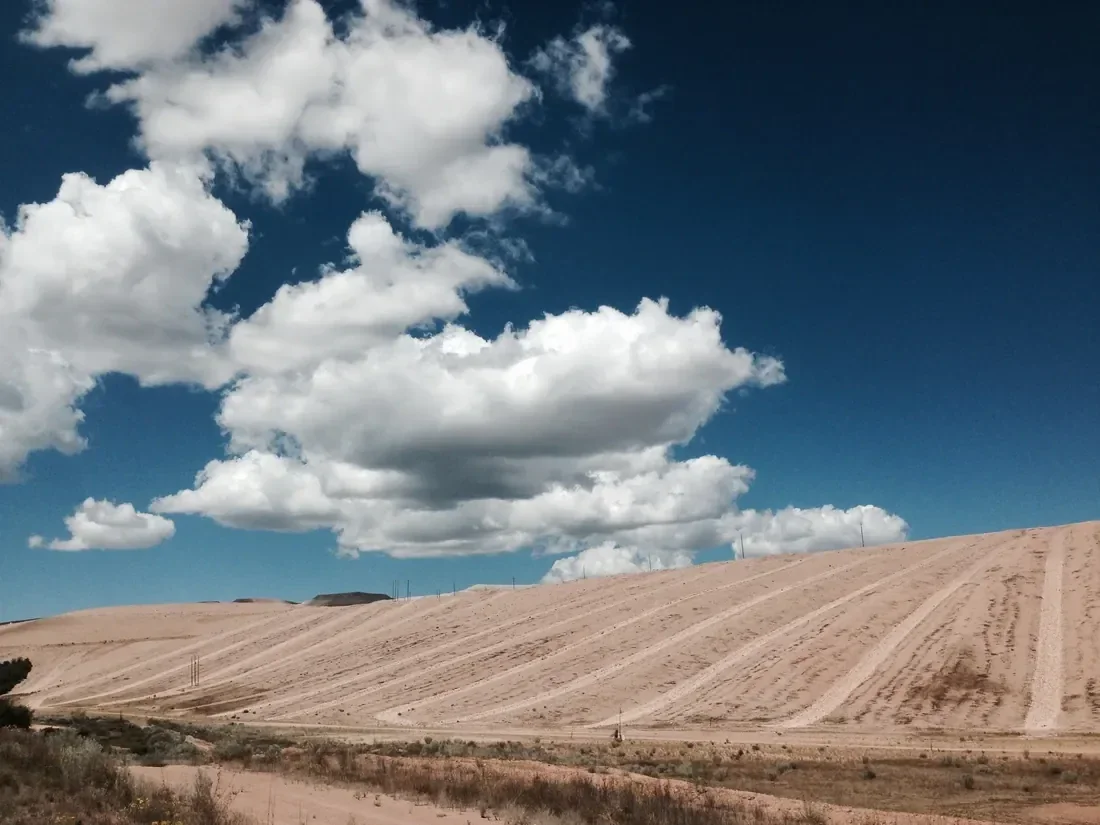
Broad regraded mine slopes below a blue sky at Tyrone Mine, with a drainage corridor along the toe.
Illustrative example

Reclamation slopes at Tyrone Mine, New Mexico.

Alan Levine / Wikimedia Commons · CC BY 2.0 · Resized.
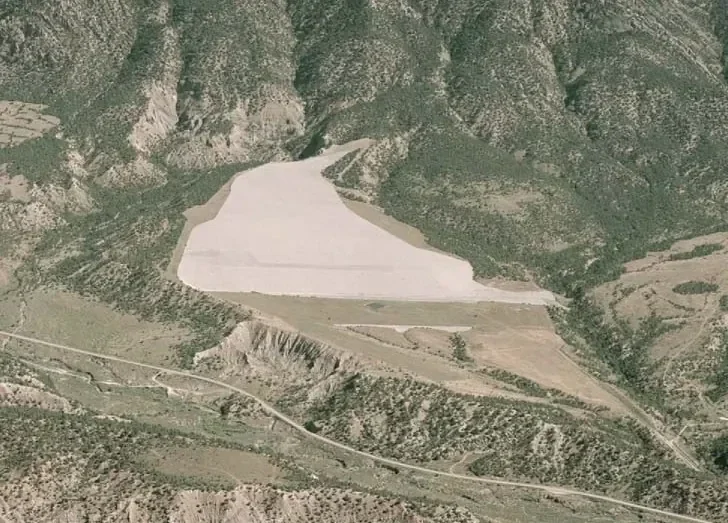
Aerial view of the broad capped Rifle tailings disposal cell and its perimeter slopes within surrounding ridges.
Public case study

Engineered tailings cover at the Rifle disposal site, Colorado.

U.S. Department of Energy / Wikimedia Commons · Public domain
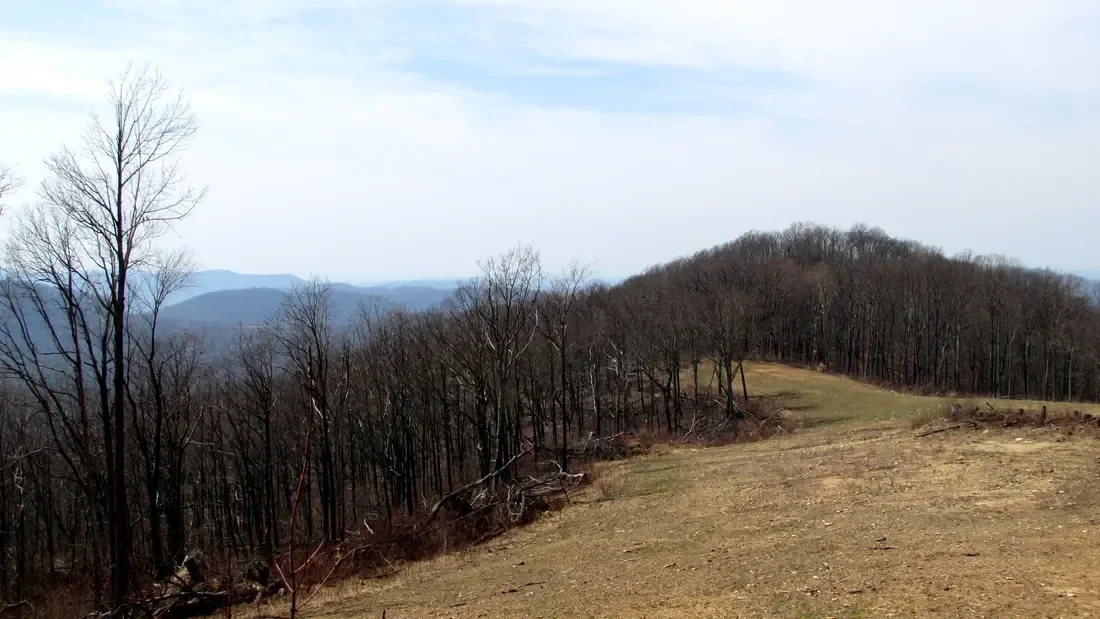
A grass-covered former strip-mine cut follows the mountain crest beside woodland, with distant ridges visible beyond.
Illustrative example

Grass-covered former mine cut at Cross Mountain, Tennessee.

Brian Stansberry / Wikimedia Commons · CC BY 3.0 · Resized.
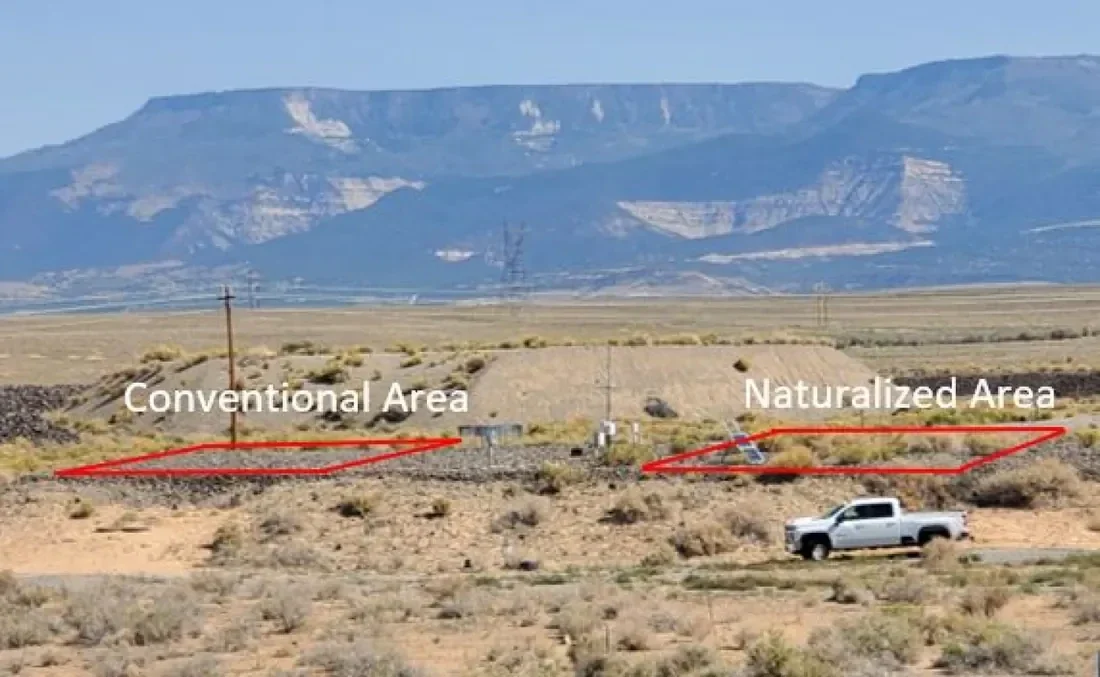
Two marked cover-test areas, labelled conventional and naturalized, with monitoring equipment at Grand Junction disposal site.
Public case study

Cover trials compare bare-rock and vegetated surfaces at Grand Junction.

U.S. Department of Energy · Public domain
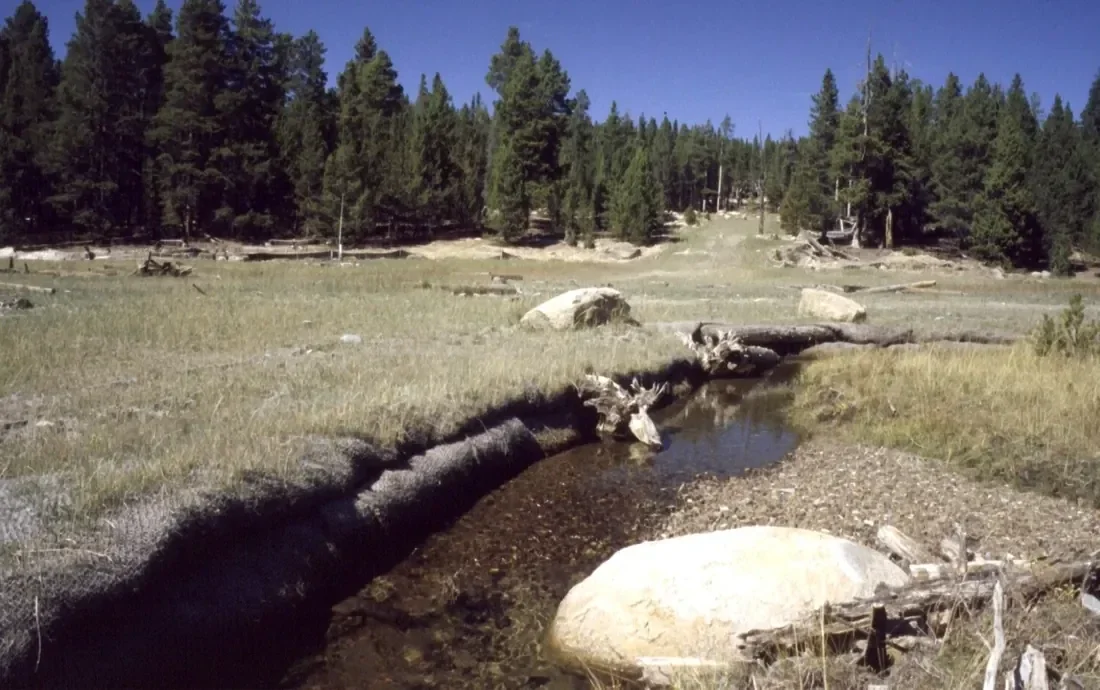
A restored stream channel between grass-covered banks, with large boulders and a wooded backdrop at the former Buckeye mill-tailings site.
Public case study

Restored stream channel at the former Buckeye mill-tailings site.

U.S. Geological Survey · Public domain
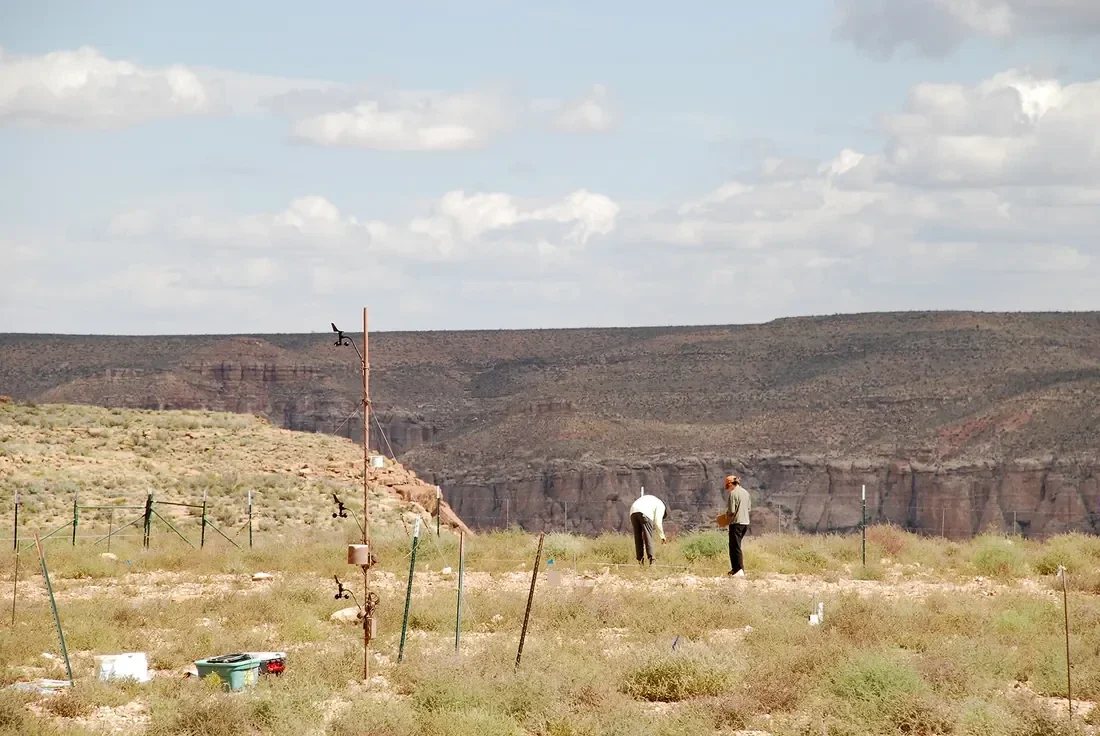
Weather-monitoring mast and field staff collecting vegetation data on rehabilitated ground at Kanab North Mine, with a canyon beyond.
Public case study

Vegetation and weather monitoring at reclaimed Kanab North Mine.

Mike Duniway / U.S. Geological Survey · Public domain

Technical frameworks and regulatory context

Each assignment is scoped against the applicable legislation, approval conditions, regulator guidance and recognised industry frameworks for the facility and jurisdiction.

Facility-specific approval requirements

Applicable approvals, conditions, commitments and agreed completion criteria.

External names and logos identify technical and regulatory reference sources only. Their inclusion does not imply affiliation, endorsement or approval of GEOAGENT.

Why GEOAGENT

GEOAGENT provides focused technical advice for the decisions that move closure forward.

  • Independent and technically traceable advice.
  • Focus on the next material closure decision.
  • Integration of geotechnical performance, covers, landforms, erosion, trials and monitoring.
  • Advice led by a CPEng, RPEQ and NER-registered geotechnical engineer with Australian and international mine-closure experience.

Define your next closure decision

Provide the facility type, location, current project stage and decision requiring support. GEOAGENT can help define the evidence gaps, technical scope and practical pathway forward.

Do not send confidential documents or commercially sensitive details through this enquiry. Contact GEOAGENT to agree an appropriate exchange method.